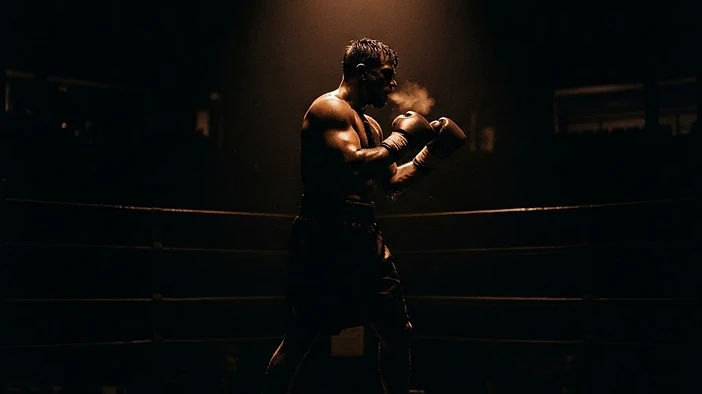
 The Sweet Science
Boxing
Greek–British · 688 BC – Present
Boxing is the oldest regulated combat sport on earth — a discipline that strips fighting to its purest essentials: two hands, two opponents, one square ring. From bare-knuckle brawls in English taverns to the billion-dollar marquees of Las Vegas, the sweet science has always been as much about discipline and timing as about force.
Open Full ProfileAncient Olympics
Boxing (pygmachia) enters the ancient Olympic Games in Greece, fought with leather hand-wraps called himantes.
First Bare-Knuckle Champion
James Figg is crowned England's first recognized bare-knuckle champion, popularizing the sport in London's amphitheatres.
Queensberry Rules
The Marquess of Queensberry Rules codify gloves, timed rounds, and the ten-count — the birth of modern boxing.
Olympic Inclusion
Boxing debuts at the London Olympic Games, cementing its place in international sport.
Ali Shocks Liston
Cassius Clay — soon Muhammad Ali — defeats Sonny Liston for the heavyweight crown, redefining the sport's cultural power.
The Saudi Era
Undisputed mega-fights consolidate under new Middle Eastern promotional platforms, reshaping the heavyweight economy.

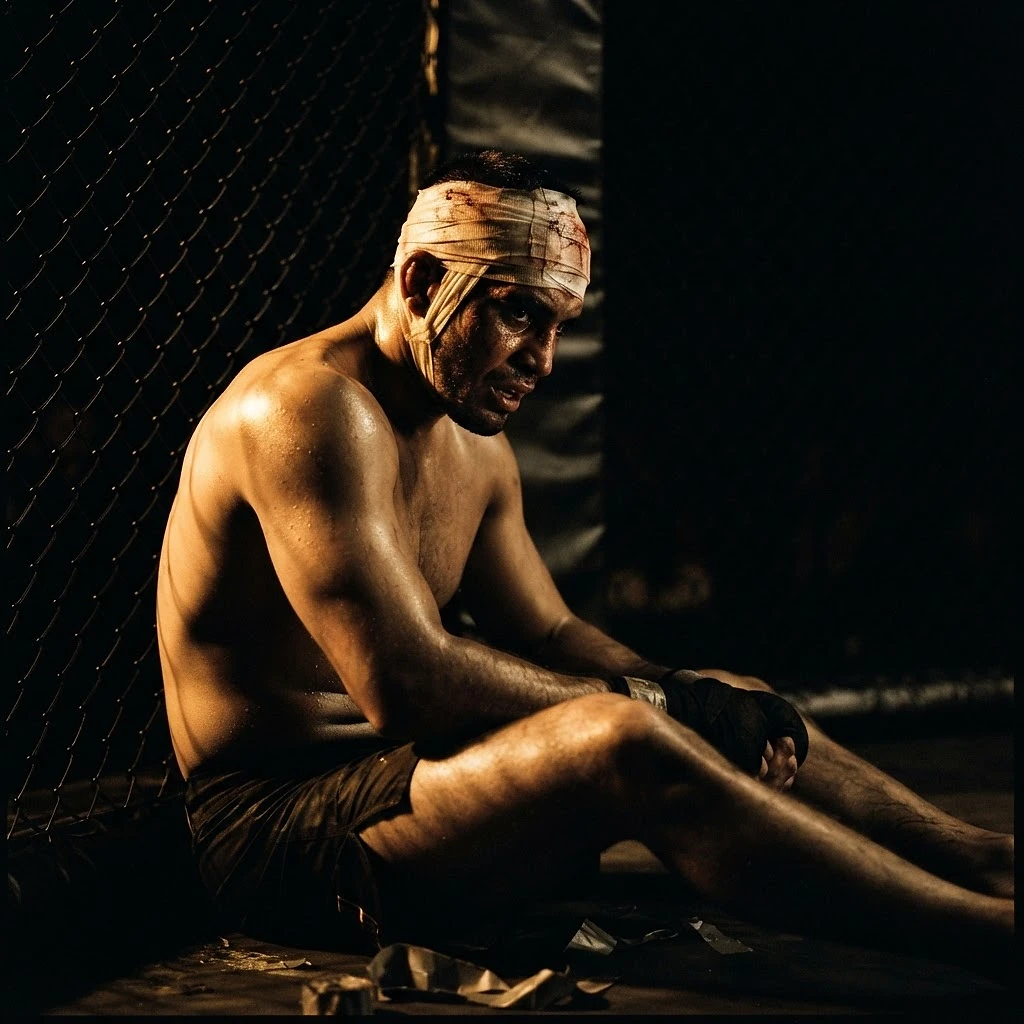 Total Combat
MMA
Numerous Origins · 648 BC / 1993 – Present
Mixed Martial Arts is a four-millennium-old idea reborn in a steel cage — a proving ground that fused every discipline into one. Where ancient Greek pankration asked which art reigned supreme, modern MMA answers it under unified rules: striking, wrestling, and submission grappling, all in a single contest.
Open Full ProfilePankration
Greek Pankration enters the Olympics — a no-rules fusion of striking and grappling, the conceptual ancestor of MMA.
Vale Tudo
Brazilian Vale Tudo ('anything goes') circuits emerge, blending catch wrestling with jiu-jitsu.
UFC 1
The Ultimate Fighting Championship debuts in Denver, launching modern MMA by asking which martial art reigns.
Unified Rules
The New Jersey State Athletic Control Board codifies the Unified Rules, legitimizing MMA for athletic commissions.
Cross-Sport Mega-Events
Athlete-driven promotion and crossover super-fights explode MMA into mainstream entertainment.
Global Promotions
UFC, PFL, and ONE Championship operate parallel global empires with distinct rulesets and weight structures.

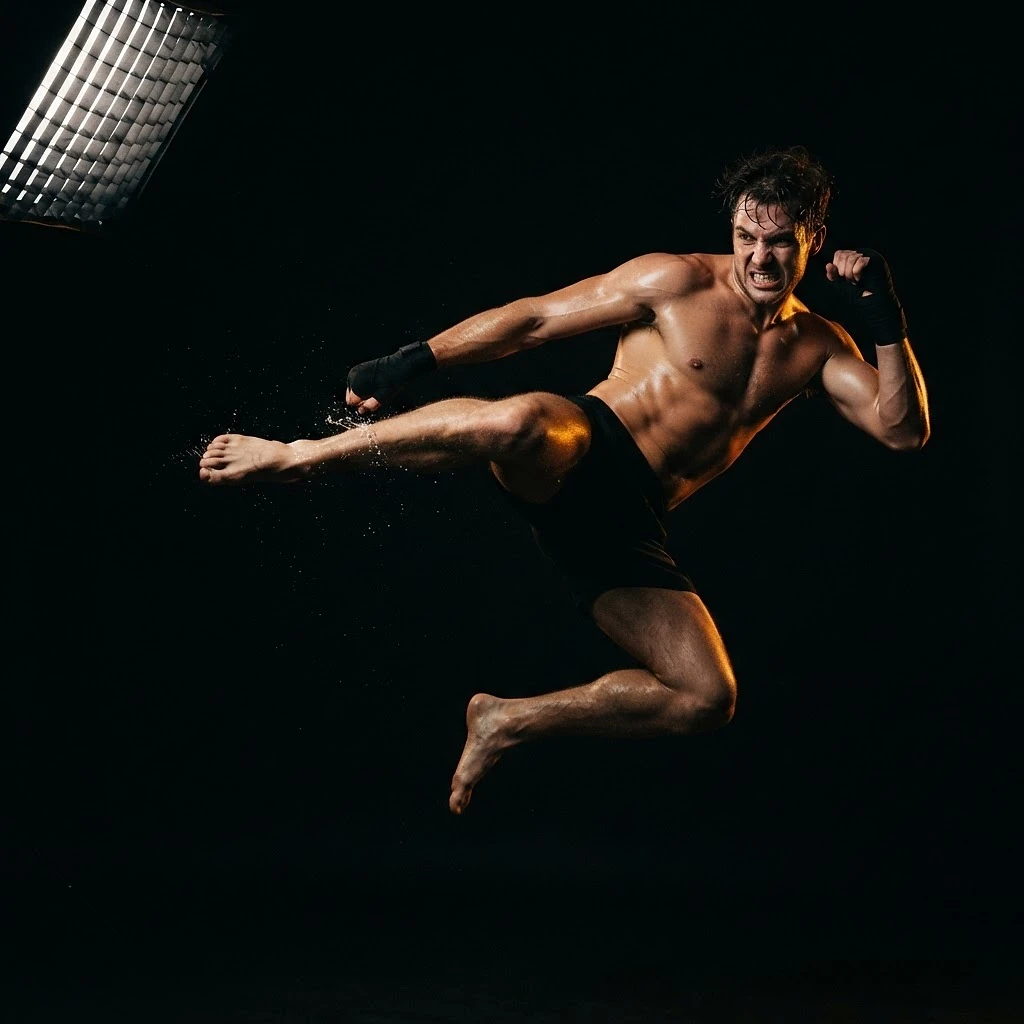 The Eight Limbs
Kickboxing
Southeast Asian / Japanese · 16th C. – Present
Kickboxing is where Thailand's eight-limb arsenal met Western boxing footwork — a discipline forged in the meeting of Muay Thai, karate, and classical pugilism. It rewards aggression, conditioning, and the willingness to trade.
Open Full ProfileMuay Boran
Siamese battlefield arts evolve into Muay Boran, the ancestor of modern Muay Thai, under a kingdom weapons ban.
Muay Thai Codified
Rope-binding gives way to gloves and rings; Muay Thai becomes Thailand's national sport.
Japanese Kickboxing
Osamu Noguchi coins 'kickboxing' fusing Muay Thai with karate and boxing in Japan.
K-1 Founded
Japan's K-1 promotion unifies kickboxing under one ruleset and launches global stand-up superstars.
GLORY Era
GLORY Kickboxing establishes a global league structure with tournament and title frameworks.
ONE at Lumpinee
ONE Championship reopens Bangkok's legendary Lumpinee Stadium under modern global broadcast.

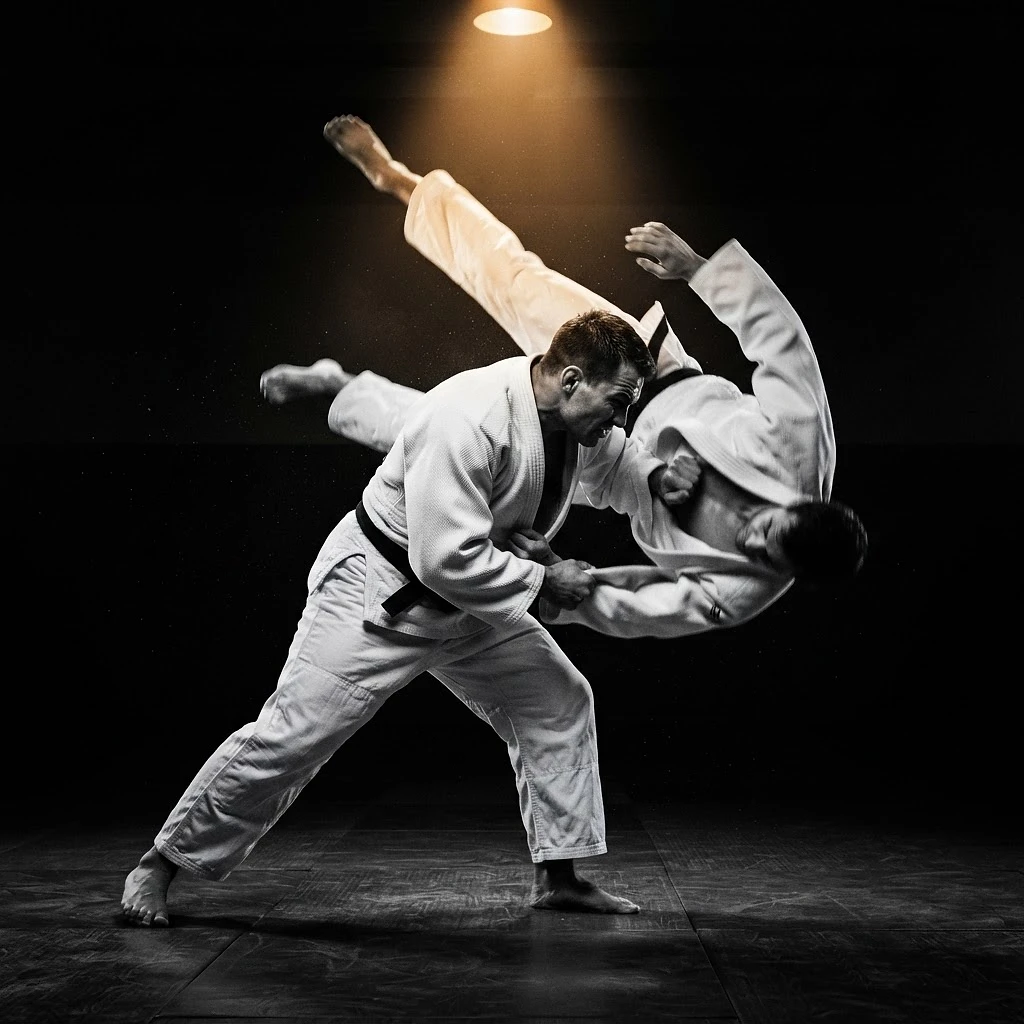 The Gentle Way
Judo
Japanese · 1882 – Present
Judo is a schoolteacher's refinement of jujutsu that became the foundation of modern grappling worldwide. Founded by Jigoro Kano in 1882, it transformed brutal battlefield techniques into a disciplined path of physical and moral education.
Open Full ProfileKodokan Founded
Jigoro Kano opens the Kodokan in Tokyo, systematizing jujutsu into judo — 'the gentle way.'
First Asian IOC Member
Kano becomes the first Asian member of the International Olympic Committee, championing judo's global spread.
Olympic Debut
Judo enters the Tokyo Olympics — the first Asian martial art to do so.
Women Recognized
Women's judo gains full Olympic medal status at the Barcelona Games.
IJF World Tour
The International Judo Federation launches the World Tour and ranking system, professionalizing the sport.
Crossover Era
Olympic judokas cross into MMA and submission grappling superfights, broadening the discipline's reach.

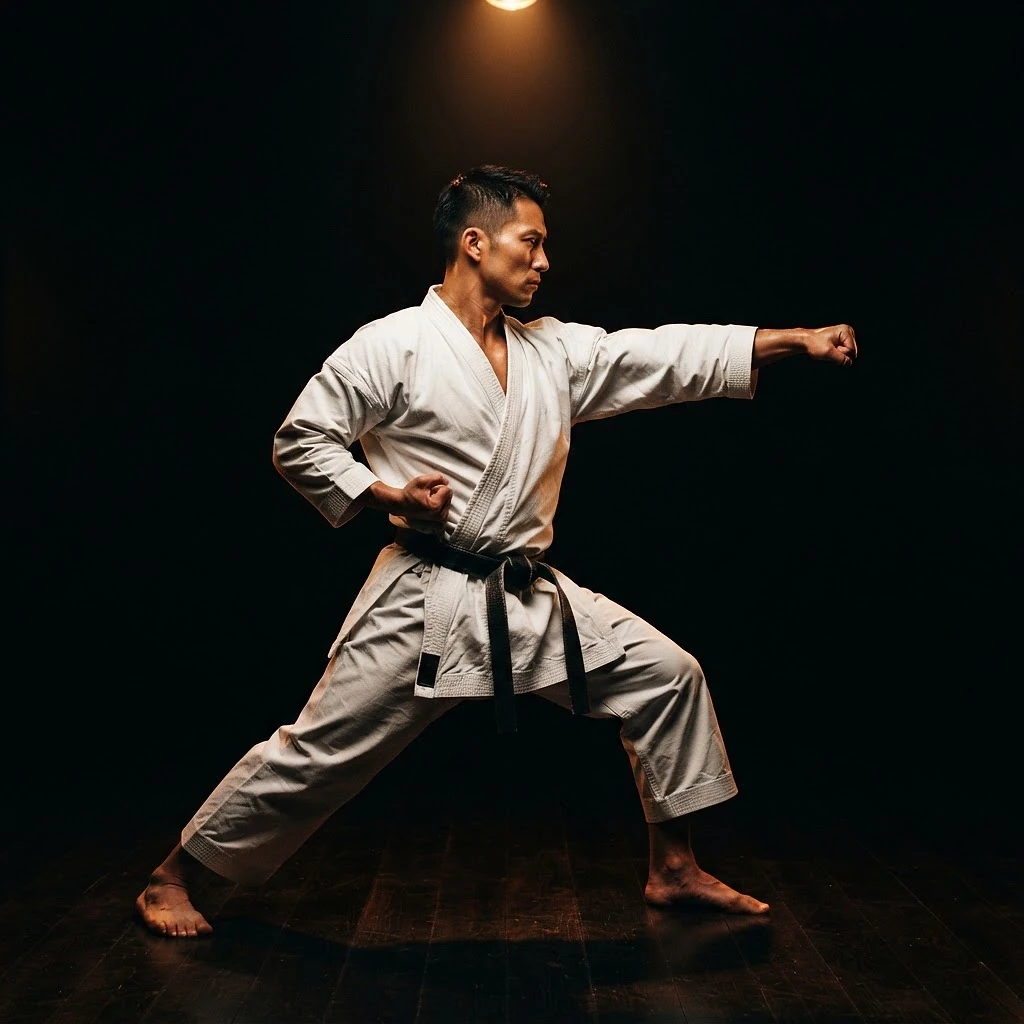 Empty Hand
Karate
Chinese–Okinawan–Japanese · 1609 – Present
Karate is a secret self-defense art forged under a weapons ban, carried across four centuries from Okinawan secrecy to the Olympic stage. It is the discipline of the empty hand — turning the body itself into a weapon.
Open Full ProfileWeapons Ban
Okinawa falls under Satsuma rule; the weapons ban drives indigenous 'te' into secret empty-hand practice.
Funakoshi in Tokyo
Gichin Funakoshi demonstrates karate in Tokyo, planting the art on mainland Japan and beyond.
First World Championship
Japan hosts the first All-Japan Karate Championship under Mas Oyama's kyokushin banner.
WKF Founded
The World Union of Karate Organizations (later WKF) forms to govern international sport karate.
Karate Combat Launch
Karate Combat debuts full-contact, pit-based professional karate for a modern broadcast audience.
Olympic Debut
Karate appears at Tokyo 2020 — a four-century journey from Okinawan secrecy to Olympic medal.

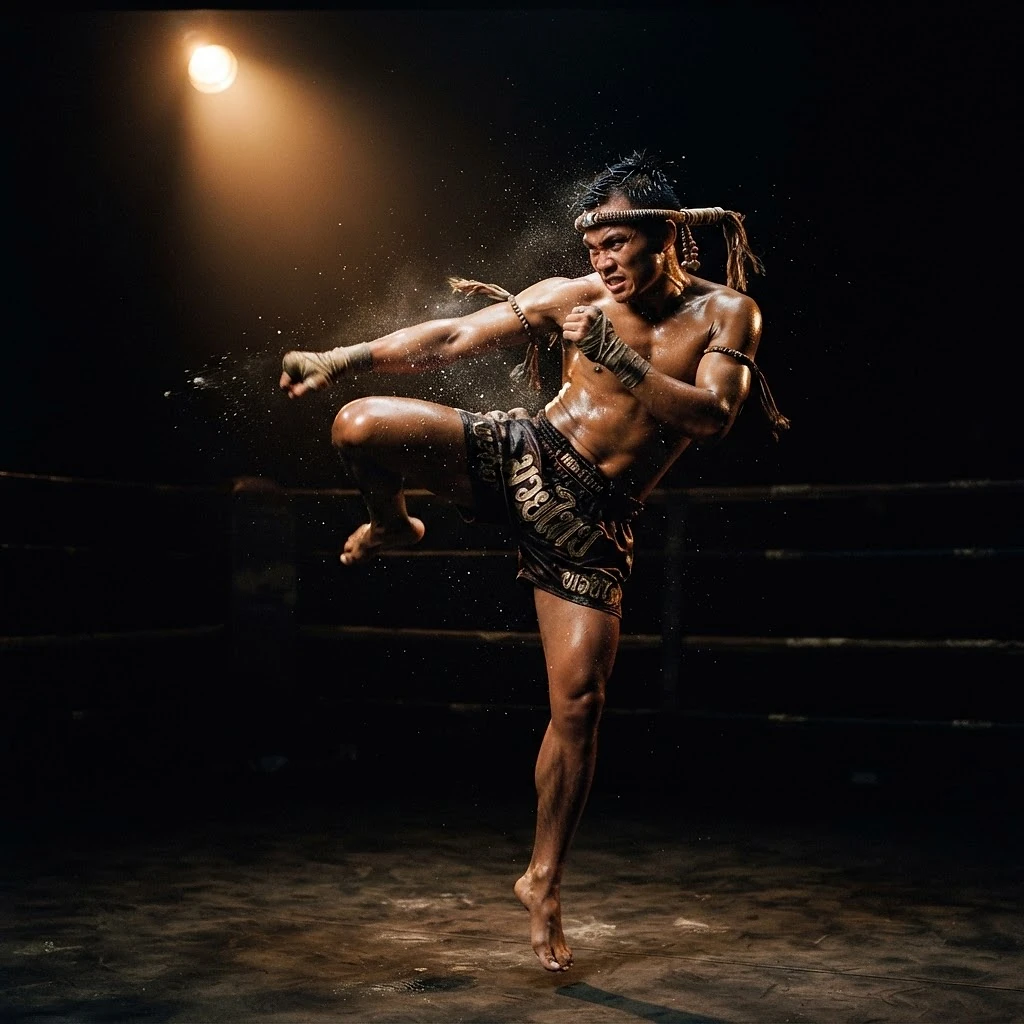 The Art of Eight Limbs
Muay Thai
Thai · 16th C. – Present
Muay Thai is Thailand's national sport and the mother art of modern kickboxing — the discipline of eight limbs, where fists, elbows, knees, and shins all strike. It is ritual as much as combat, fought to the rhythm of the sarama.
Open Full ProfileMuay Boran
Siamese battlefield arts evolve into Muay Boran under the Ayutthaya kingdom, the ancestor of modern Muay Thai.
Nai Khanomtom
The legendary fighter defeats ten Burmese opponents in sequence — celebrated as the father of Muay Thai.
Codification
Rope-binding (kaad chuek) gives way to gloves, rounds, and a ring; the modern sport takes shape.
Lumpinee Stadium
Bangkok's Lumpinee Stadium opens, becoming the world's most iconic Muay Thai venue.
Global Export
Thai fighters and trainers spread Muay Thai across Europe, the Americas, and Oceania.
ONE at Lumpinee
ONE Championship reopens Lumpinee under modern global broadcast, fusing tradition with prime-time production.

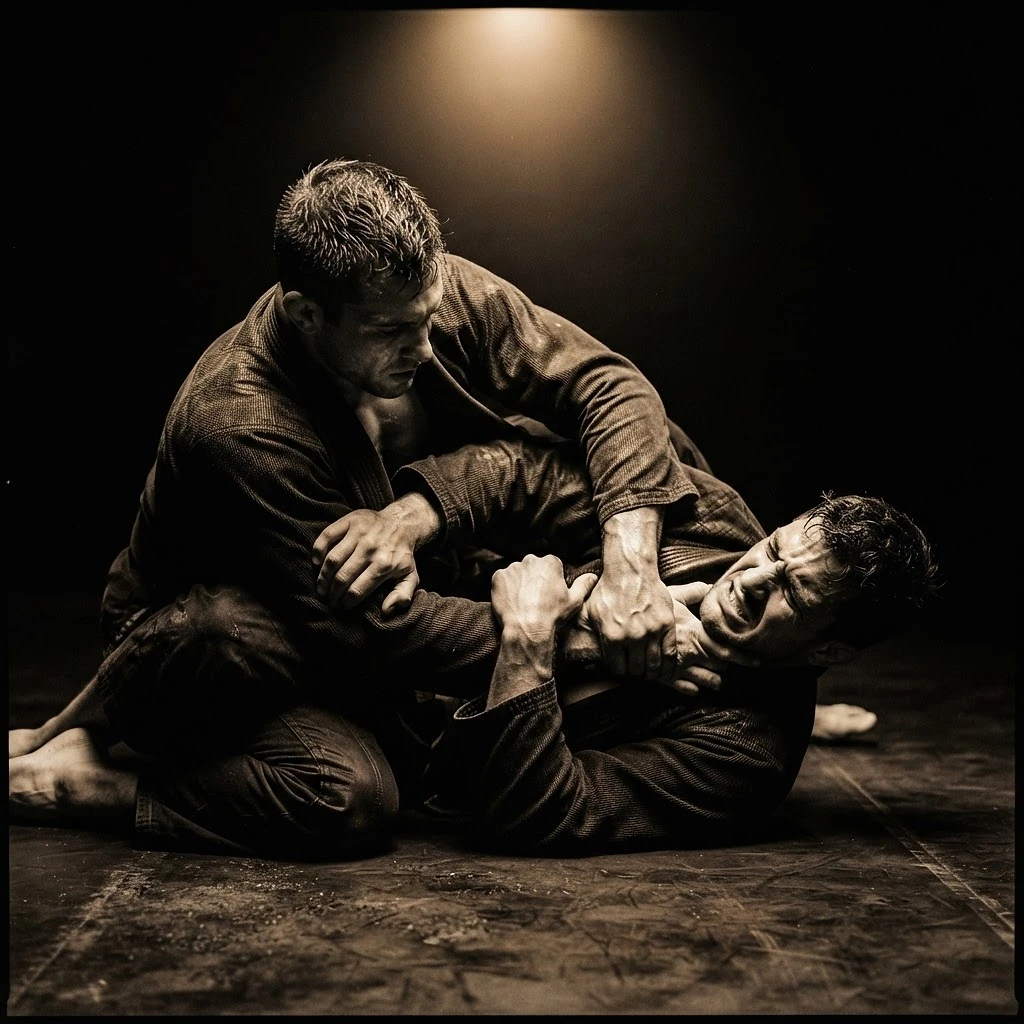 The Gentle Art
Brazilian Jiu-Jitsu
Japanese–Brazilian · 1914 – Present
Brazilian Jiu-Jitsu is the gentle art that proved a smaller, skilled grappler could defeat a larger opponent. Adapted from judo's ground game by the Gracie family in Brazil, it became the spine of modern MMA's submission grappling.
Open Full ProfileMaeda in Brazil
Judo pioneer Mitsuyo Maeda arrives in Brazil; his student Carlos Gracie passes the art to his brothers.
Gracie Academy
Carlos and Helio Gracie open the first Gracie academy in Rio de Janeiro, refining the ground game.
Royce at UFC 1
Royce Gracie wins UFC 1, proving a smaller BJJ grappler can defeat larger opponents of any style.
IBJJF Founded
The International BJJ Federation formalizes the gi and no-gi competition rules and Worlds.
Submission-Only Era
EBI, Polaris, and ADCC popularize submission-only and no-time-limit superfight formats.
Grappling Boom
Crossover grappling superfights and influencer-driven events explode the sport's mainstream reach.

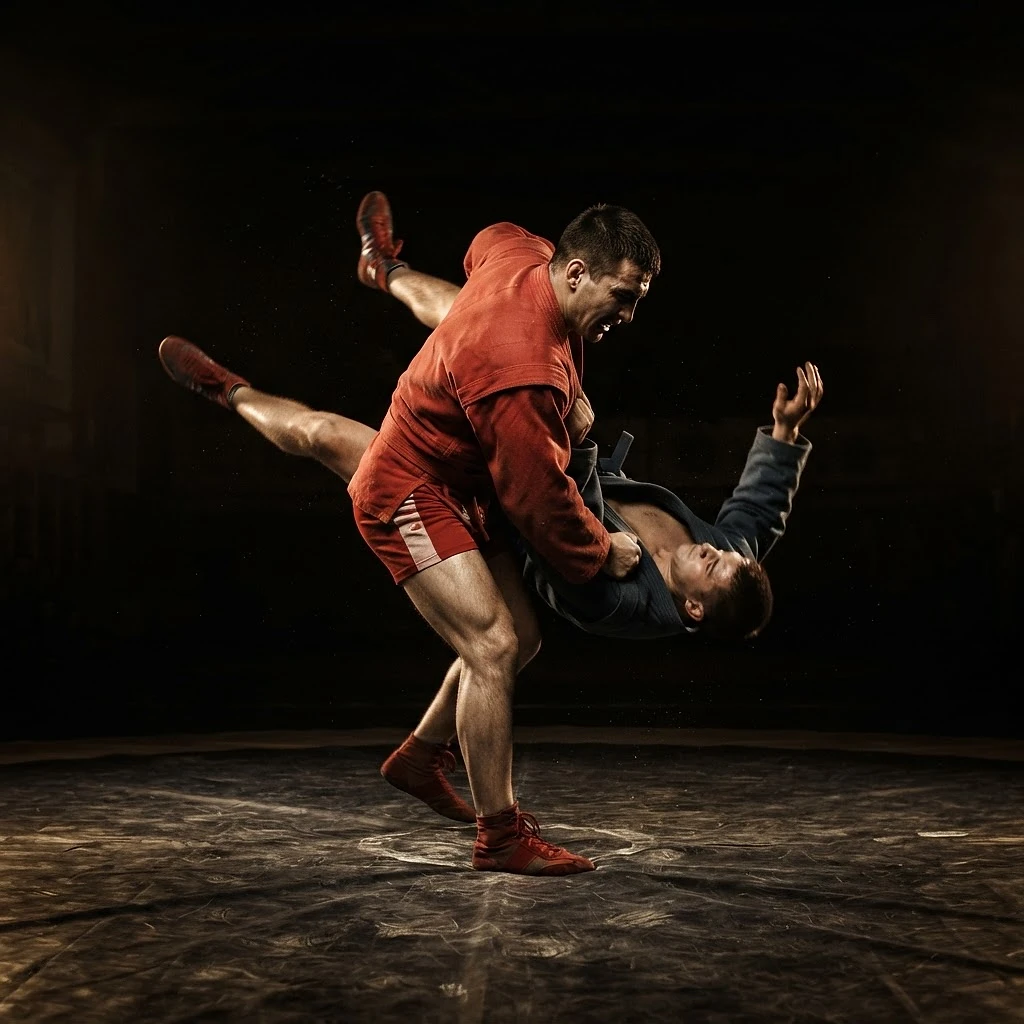 Self-Defense Without Weapons
Sambo
Soviet / Russian · 1938 – Present
Sambo is the Soviet Union's synthesized combat system — a fusion of judo, wrestling, and national republic styles forged in the 1920s–30s. Its name, an acronym for 'self-defense without weapons,' reflects its military origin.
Open Full ProfileSynthesis Begins
Vasili Oshchepkov and Viktor Spiridonov synthesize judo, wrestling, and regional styles into a Soviet military system.
Official Recognition
Sambo is recognized as an official sport of the USSR, with a unified ruleset and national championships.
FIAS Roots
International sambo federation structures begin to form, spreading the sport beyond the Soviet bloc.
Olympic Push
Sambo is demonstrated at the Moscow 1980 Olympics as a showcase Soviet discipline.
MMA Export
Sambo-trained fighters like Fedor Emelianenko and Khabib Nurmagomedov dominate global MMA.
GAISF Recognition
Sambo gains provisional recognition from the Global Association of International Sports Federations.

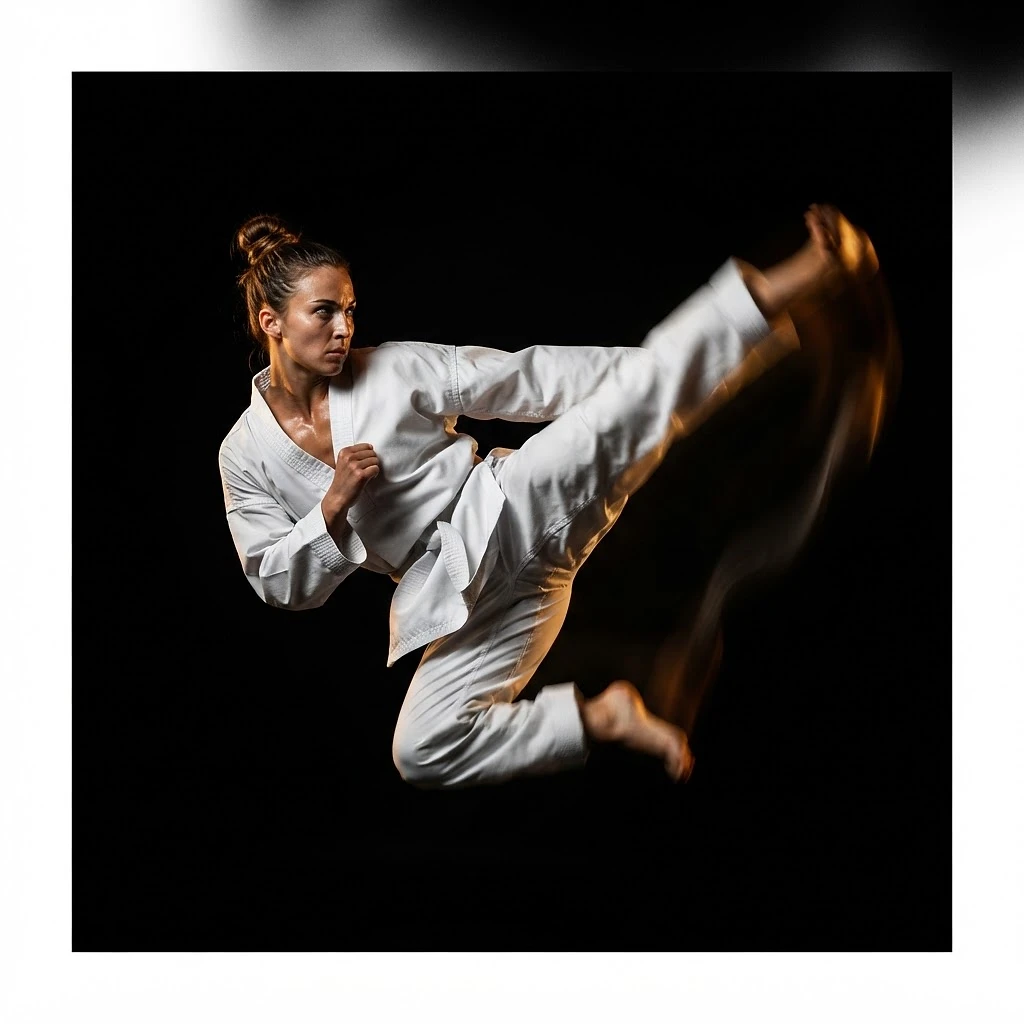 The Way of the Foot and Fist
Taekwondo
Korean · 1955 – Present
Taekwondo is Korea's national martial art — a kicking discipline of extraordinary range and athleticism, born from the unification of Korean kwons in 1955. Its name means 'the way of the foot and fist.'
Open Full ProfileKorean Liberation
After Japanese occupation ends, the original Korean kwons emerge from karate roots into distinct schools.
Name Coined
General Choi Hong Hi proposes 'taekwondo' to unify the nine kwons under a single Korean martial art.
ITF Founded
The International Taekwondo Federation is formed, spreading the art globally via demonstrations.
Kukkiwon & WT
The Kukkiwon and World Taekwondo Federation (now World Taekwondo) establish the Olympic style.
Olympic Sport
Taekwondo debuts as a full Olympic medal sport at the Sydney Games.
Electronic Scoring
Electronic headgear and body sensors refine Olympic scoring; WT continues global expansion.

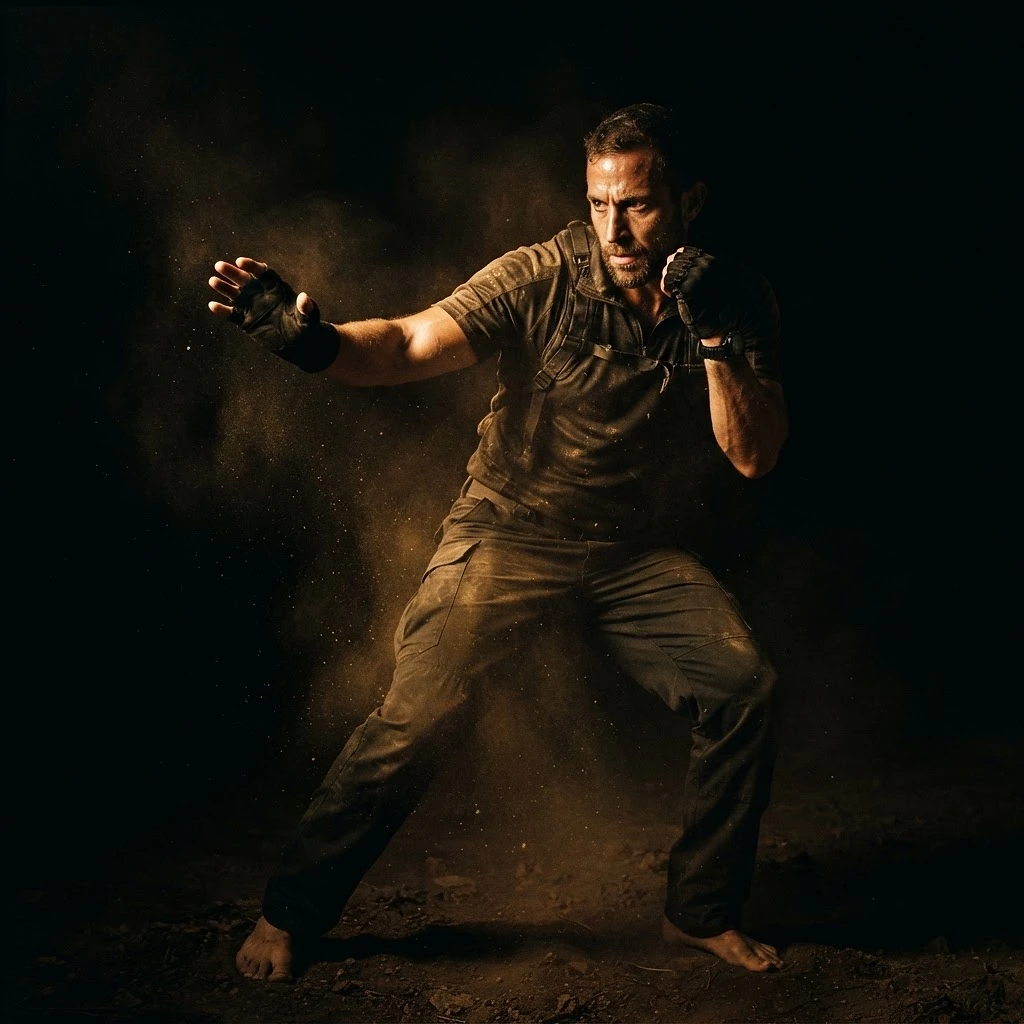 Contact Combat
Krav Maga
Israeli · 1948 – Present
Krav Maga is Israel's military self-defense system — a no-nonsense, survival-first discipline developed for the Israel Defense Forces. Its name means 'contact combat' in Hebrew, and its only philosophy is neutralize the threat and walk away.
Open Full ProfileBratislava Roots
Imi Lichtenfeld, a champion boxer and wrestler, defends Jewish neighborhoods in Bratislava against fascist gangs.
Haganah Training
Lichtenfeld immigrates to Palestine and begins training the Haganah in hand-to-hand combat.
IDF Adopts Krav Maga
With the founding of Israel and the IDF, Krav Maga becomes the military's official combat system.
Civilian Adaptation
Lichtenfeld adapts the system for civilians after retiring from the IDF, opening civilian training.
Global Spread
Krav Maga is brought to the United States and begins its international civilian expansion.
Global Self-Defense Standard
Krav Maga becomes the world's most recognized tactical self-defense system, taught to militaries and law enforcement.

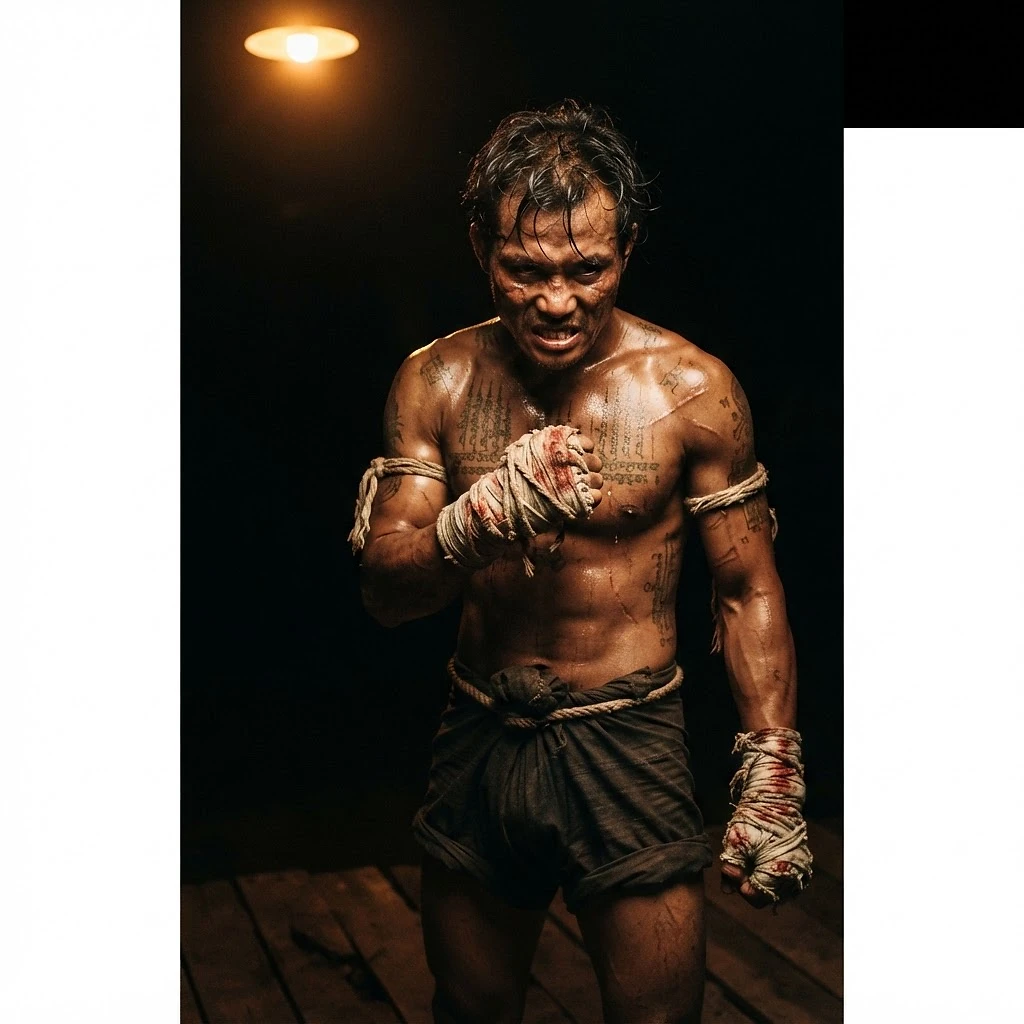 The Art of Nine Limbs
Lethwei
Burmese · Ancient – Present
Lethwei is Burmese bare-knuckle boxing — the most brutal of the stand-up arts, fought without gloves and allowing headbutts. It is the 'art of nine limbs,' the ninth being the skull.
Open Full ProfilePyu Origins
Early forms of lethwei are practiced across the Pyu city-states of ancient Burma as both combat and entertainment.
Royal Patronage
Burmese kings sponsor lethwei bouts as court entertainment, formalizing its rules and traditions.
Modern Ruleset
Lethwei is organized with timed rounds and referees, though headbutts and bare knuckles remain legal.
Tiger's Return
Legendary lethwei champion 'Wunna' and successors revive the sport through high-profile bouts.
World Lethwei Championship
The World Lethwei Championship forms, bringing the Burmese art to global broadcast audiences.
International Resurgence
Lethwei fighters cross into ONE Championship and global bare-knuckle platforms, exposing the art worldwide.

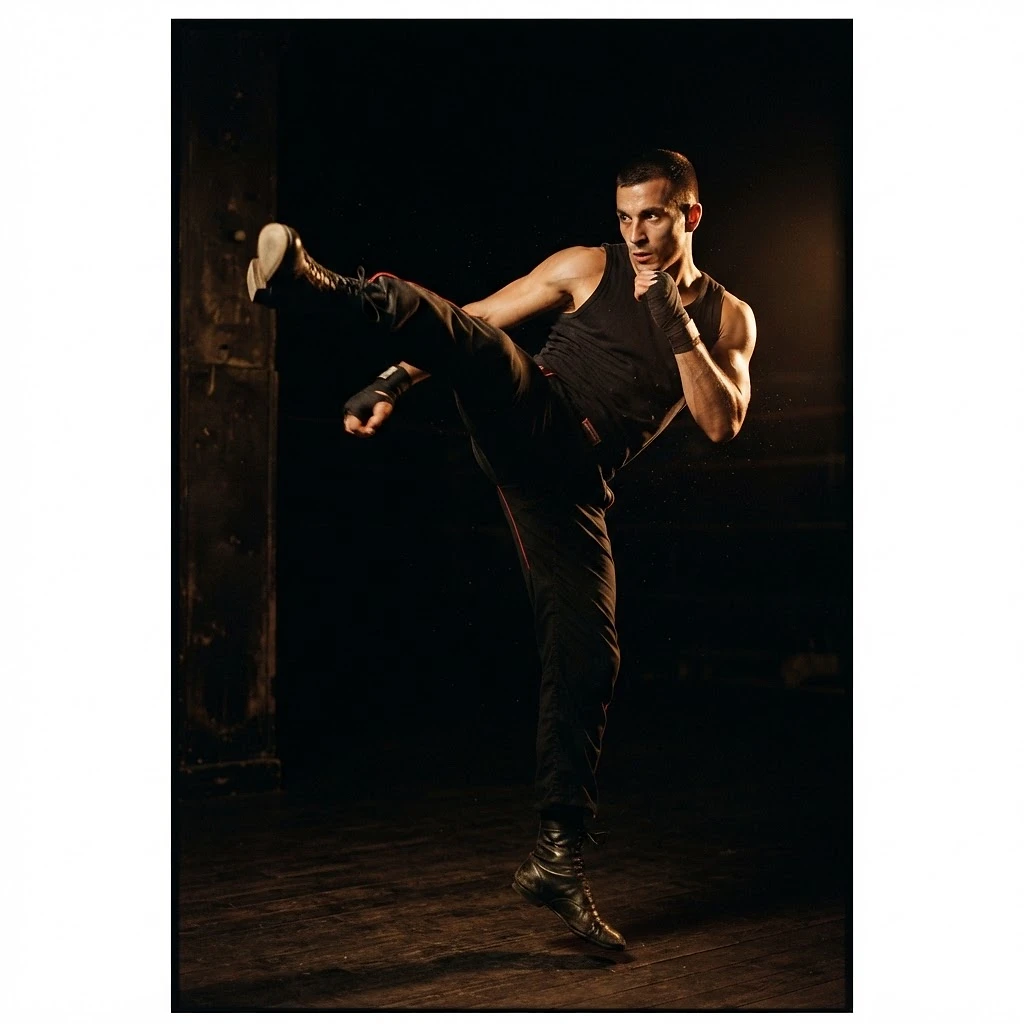 French Boxing
Savate
French · 19th C. – Present
Savate is France's elegant kickboxing — a discipline of precise kicks delivered in distinctive boots, born from the street fighters and sailors of 19th-century Paris and Marseille. Its name comes from the old French word for an old shoe.
Open Full ProfileStreet Origins
Parisian street fighters (apaches) and Marseille sailors develop chausson and savate — boot-kicking self-defense.
Lecour Codification
Charles Lecour fuses English boxing with French kicking, codifying modern savate with boots and gloves.
First French Federation
Savate is formally organized under a French federation, standardizing ranks and competition.
Olympic Demonstration
Savate is demonstrated at the Paris 1924 Olympic Games as a French national sport.
International Federation
The Fédération Internationale de Savate forms, spreading the sport beyond France.
Modern Savate
Savate maintains a global niche with assaut (light) and combat (full) formats and a world championship circuit.